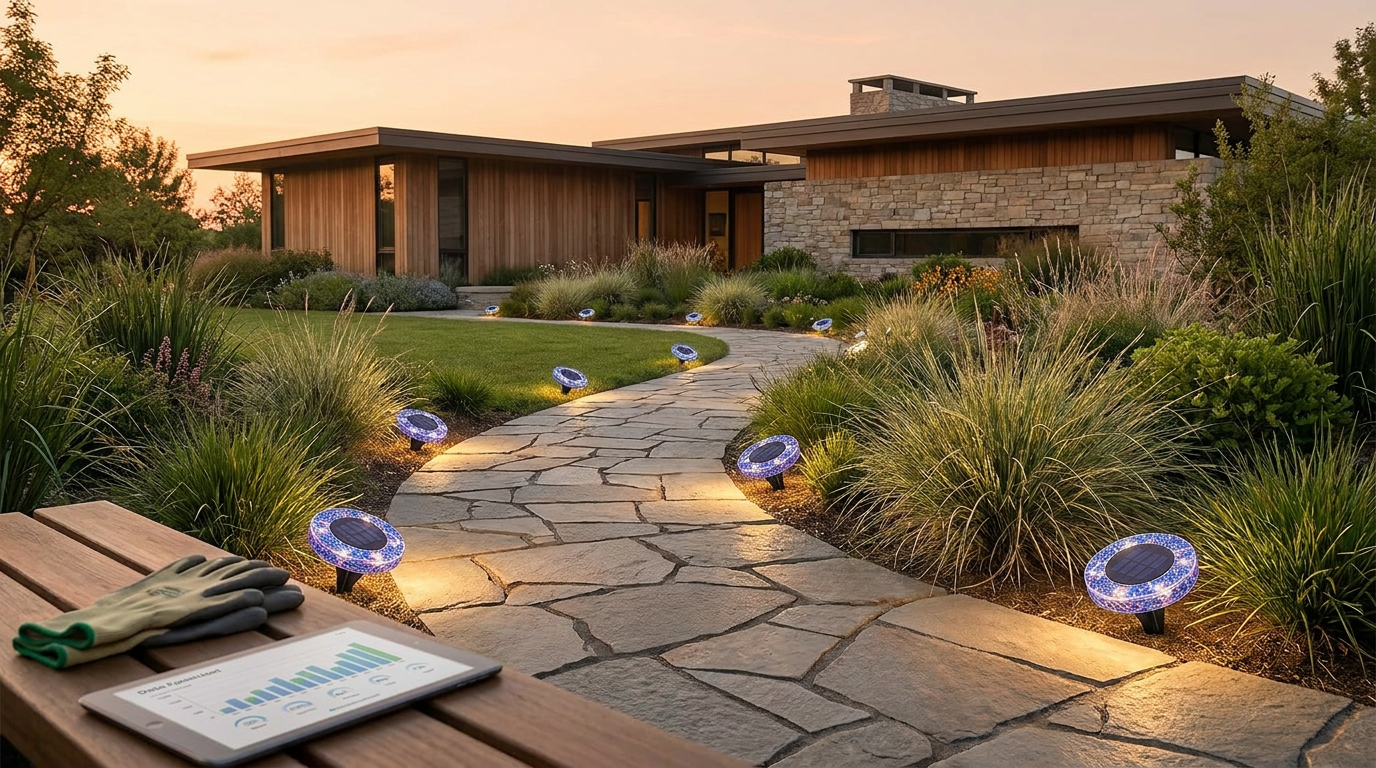
Solar Mosaic Disk Lights and Modern Pathway Lighting Needs
 Maya ChenContributing Editor
June 15, 2026. This analysis evaluates the technical efficacy of mosaic ground solar lights for residential perimeter marking. It is intended for homeowners seeking a data-first approach to landscape illumination over aesthetic trend-following.
The Efficiency Gap in Ground-Level Illumination
The conventional wisdom says that all solar pathway lights are essentially interchangeable, varying only by the plastic housing or the color of the LED. Here’s the part nobody talks about: the standard vertical stake light is a structural failure for high-traffic areas. Because these units rely on a thin plastic or metal stem, they are prone to tilting, snapping, or being struck by lawn maintenance equipment. This creates a cycle of replacement that negates any initial cost savings. Furthermore, the light throw of a standard stake light is often wasted on the surrounding air rather than the walking surface. According to Bell + Howell Mosaic Solar Disk Lights product demonstrations via HSN, the transition to a disk-based form factor allows the unit to sit flush with the ground, utilizing a flat-profile design that avoids the mechanical leverage of wind or physical impact that destroys traditional stakes. This shift in geometry isn't just about looks; it is about reducing the failure rate of the light's physical housing in real-world conditions. When mosaic ground solar lights are positioned incorrectly, they disappear into the grass, but when used as intended, they solve the trip-hazard problem that vertical lights actually exacerbate by creating high-contrast shadows at eye level.
Technical Specifications of Solar Mosaic Disk Lights
Run the math: a lighting system is only as effective as its energy conversion and storage capacity. Solar Mosaic Disk Lights utilize a surface-mounted solar panel integrated directly into the top of the disk, which charges an internal battery during daylight hours. This eliminates the need for external wiring, which is the primary failure point in traditional landscape lighting due to moisture ingress and soil acidity. The inclusion of the mosaic glass inlay serves a dual purpose: it diffuses the LED output to reduce harsh glare while providing a textured aesthetic that remains visible even when the light is off. We see significant performance metrics regarding how Solar Mosaic Disk Lights maintain their charge. While low-end competitors often flicker out after four hours, the [illumination duration](/blog/solar-mosaic-disk-lights-illumination-duration) for these units is designed to cover the critical evening window between dusk and midnight. This duration is managed by an automated light sensor that prevents energy waste during daylight hours. When [integrating Solar Mosaic Disk Lights into modern landscape architecture](/blog/solar-mosaic-disk-lights-landscape-integration), the low profile allows for installation on various surfaces, including soil, gravel, or even recessed into wooden decking. The stainless steel rim provides a structural barrier for the mosaic glass, ensuring that the internal circuitry remains shielded from the vertical pressure of foot traffic.
Implementation and Selection Framework
Choosing a lighting solution requires moving past the visual appeal of the mosaic pattern and looking at the site-specific requirements. Most consumers over-buy units for small spaces, leading to light pollution that obscures the very path they intend to highlight. To determine if these units fit your specific environment, follow this technical checklist:
- Calculate the linear footage of the path and plan for one disk every three feet to ensure a continuous light pool without dark gaps.
- Verify that the installation site receives a minimum of six hours of unobstructed sunlight; partial shade from eaves will reduce the solar mosaic disk lights battery life by up to 40%.
- Assess the soil density; while the included stakes are reinforced, extremely rocky soil may require pre-drilling a pilot hole to prevent housing stress.
- Evaluate the moisture level of the area to ensure the IP-rated seals of the disk are sufficient for the local drainage patterns.
- Determine if the mosaic color palette provides enough contrast against your specific ground cover (e.g., dark mulch vs. light gravel).
Shop Solar Mosaic Disk Lights here: https://solarmosaicdisklights.com
Sources

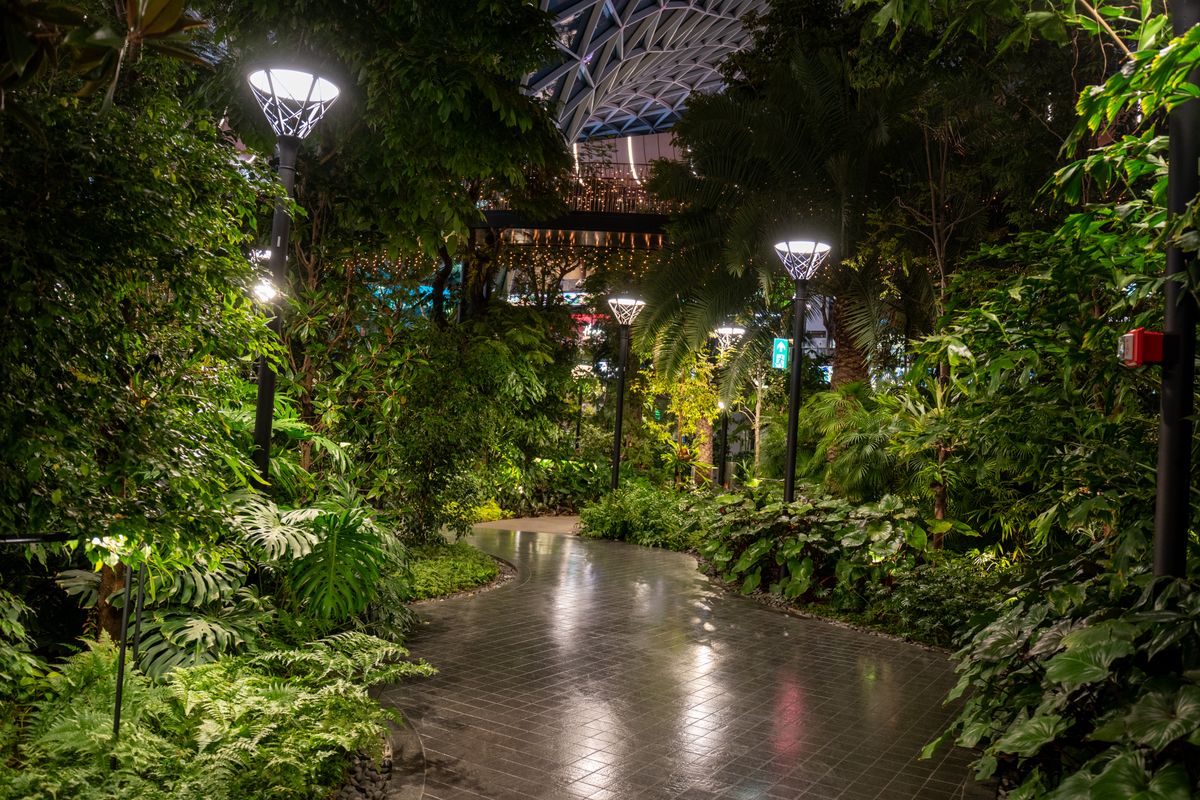
Photo by Duy's House of Photo on Pexels