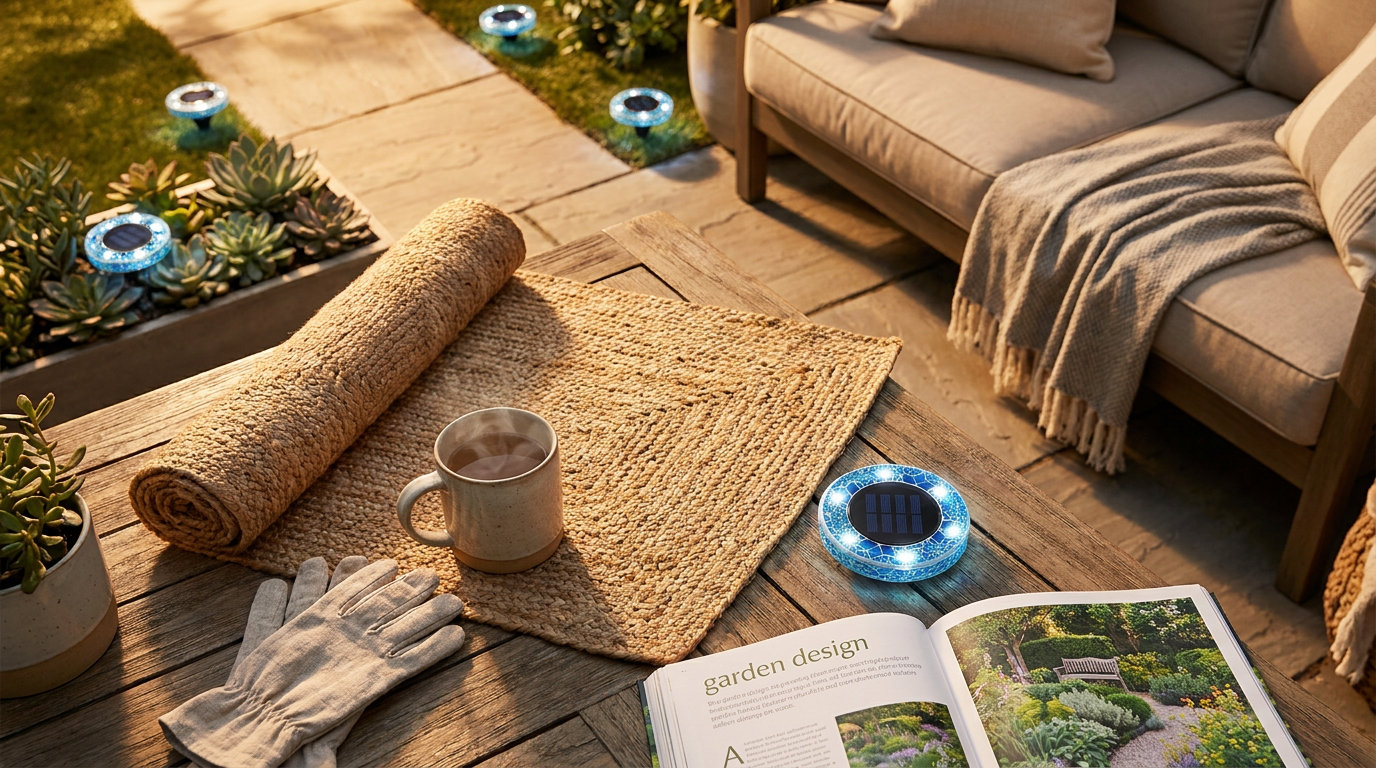
Integrating Solar Mosaic Disk Lights Into Modern Landscape Architecture
 Priya RamanSenior Analyst
June 10, 2026. This analysis evaluates the role of decorative illumination in functional garden design for residential homeowners. It serves as a framework for those seeking to balance aesthetic complexity with technical reliability in outdoor environments.
The Challenge of Decorative Secondary Lighting
Traditional landscape lighting often creates a binary choice between utilitarian brightness and delicate ornamentation. Homeowners frequently struggle with the "dark spot" phenomenon, where primary floodlights leave significant gaps in visual texture along walkways and flower beds. Think of it as a matrix of visibility versus atmosphere; while high-lumen spotlights provide safety, they often wash out the intricate details of a garden’s perimeter. According to Bell + Howell, the integration of specialized fixtures like the Pathway & Landscape Mosaic Disk Light addresses this by utilizing a large solar panel that accumulates power throughout the daylight hours to provide over 10 hours of illumination at night. This duration is critical for maintaining safety standards without the infrastructure cost of hardwired systems.
When evaluating mosaic ground solar lights, the primary constraint is often the efficiency of energy conversion. Many decorative lights prioritize the glass pattern over the photovoltaic cell, leading to premature dimming. However, modern Solar Mosaic Disk Lights are engineered to maximize the surface area of the solar collector. This ensures that even in partial shade, the internal battery reaches a sufficient state of charge to power the LED array through the peak evening hours. By placing these units strategically, designers can eliminate the stark contrast between bright zones and total darkness, creating a fluid visual transition across the property.
Technical Performance and Aesthetic Utility
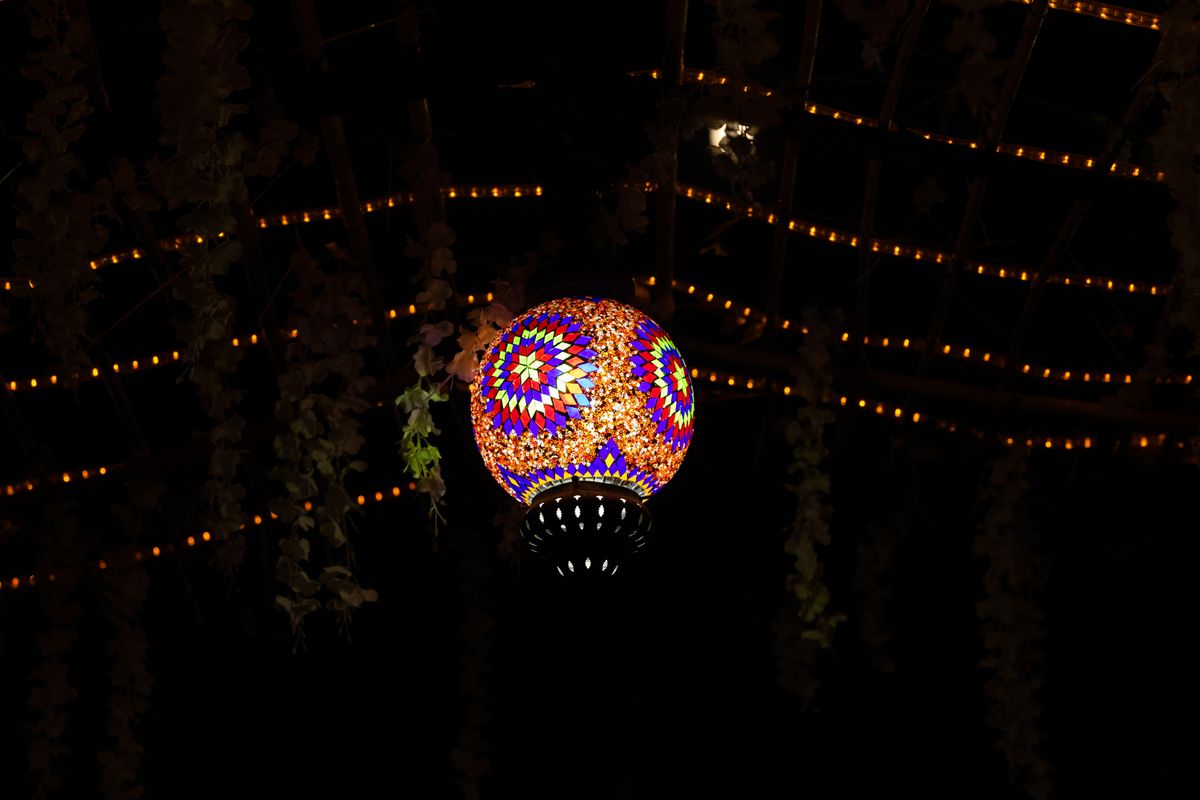
Photo by Engin Akyurt on Pexels
The decision rule for selecting these fixtures rests on the intersection of durability and light diffusion. Unlike traditional stake lights that protrude from the ground and present a tripping hazard or a nuisance for lawn maintenance, Solar Mosaic Disk Lights sit flush or near-flush with the surface. This low-profile geometry is essential for contemporary minimalist designs where clean lines are paramount. The mosaic glass acts as a natural diffuser, breaking up the harsh point-source light of the LED into a softer, multi-chromatic glow that enhances the natural colors of surrounding foliage.
Two axes matter here: the weather resistance of the housing and the spectral quality of the light. High-quality mosaic ground solar lights utilize stainless steel or reinforced polymer casings to protect the internal circuitry from moisture ingress. As demonstrated by the Bell + Howell Mosaic Solar Disk Lights 6pack on YouTube, these units are specifically designed to illuminate stairs and walkways where foot traffic and environmental exposure are highest. This versatility allows them to function not just as ornaments, but as critical safety markers. Once you see it this way, the light becomes a structural element rather than a mere accessory. The integration of Solar Mosaic Disk Lights into a broader lighting plan allows for the layering of light, which is the foundational principle of professional landscape architecture. This layering involves using the disk lights as the base level of ambient light, upon which more focused spotlights can be added for dramatic effect.
Implementation Framework and Selection Checklist
Successful deployment requires a systematic approach to placement and density. Over-saturation of light can lead to visual clutter, while under-saturation fails to define the space. The goal is to create a rhythm of light that guides the eye naturally. When planning the installation of Solar Mosaic Disk Lights, consider the seasonal shift in sun angles to ensure the solar panels remain unobstructed by growing vegetation or shifting shadows.
To ensure optimal performance and aesthetic harmony, use the following checklist during the planning phase:
- Verify the solar exposure of the installation site, ensuring at least 6 hours of direct sunlight for maximum discharge duration.
- Assess the ground surface for stability to ensure the disk remains level and prevents water pooling on the solar panel.
- Check the IP (Ingress Protection) rating of the fixture to ensure it meets the requirements for your specific climate zone.
- Calculate the spacing between units—typically 3 to 5 feet—to maintain a continuous visual line without overlapping light pools.
- Coordinate the mosaic color patterns with existing hardscape materials such as stone, brick, or wood.
Shop Solar Mosaic Disk Lights here.
Sources
Photo by quang vinh on Pexels
- Bell + Howell Pathway & Landscape Mosaic Disk Light 4 Pack
- Bell + Howell Mosaic Solar Disk Lights 6pack - YouTube