
Solar Mosaic Disk Lights for Artistic Pathway Illumination
 Maya ChenContributing Editor
June 1, 2026. This analysis examines the shift from elevated lanterns to ground-integrated mosaic lighting for residential landscapes. It is intended for homeowners prioritizing durability and specific light-refraction patterns over decorative hanging fixtures.
The Efficiency Gap in Decorative Garden Lighting
The conventional wisdom says that more glass surface area equals better aesthetic output, but this ignores the physics of light dispersion in an outdoor setting. Most consumers looking for stained glass solar garden lights gravitate toward hanging lanterns or tall stakes, assuming height improves visibility. However, these designs often suffer from structural instability and significant light bleed into the night sky rather than onto the intended path. According to Pinterest's search data on Stained Glass Solar Lights, there is a high volume of interest in the visual appeal of colored glass, yet the practical application often fails when the structural integrity of thin glass panels meets seasonal weather changes. Here's the part nobody talks about: elevated stained glass fixtures act as wind sails, increasing the risk of breakage and reducing the lifespan of the internal battery due to constant vibration and movement. Furthermore, the light cast from a height of eighteen inches using a low-lumen LED through colored glass creates a muddy, indistinct glow rather than the sharp, vibrant patterns users expect. When homeowners seek out stained glass solar garden lights, they are often chasing a visual effect that physics—specifically the inverse square law of light—makes difficult to achieve with standard retail lanterns.
Refraction Mechanics of Solar Mosaic Disk Lights

Photo by Alexas Fotos on Pexels
Solar Mosaic Disk Lights solve the structural and optical failures of traditional stakes by moving the light source to the ground plane. By utilizing a flat, disk-based architecture, these lights eliminate the wind-resistance issues inherent in the designs found on platforms like Etsy or eBay. Instead of a fragile lantern housing, the mosaic elements are embedded directly into a reinforced disk that sits flush or near-flush with the turf. This positioning allows for a 180-degree upward and outward refraction pattern that uses the ground itself as a reflective surface, intensifying the color output of the stained glass. While a typical stained glass solar garden lights setup might lose 40% of its light to the upper atmosphere, the disk format directs every lumen into the immediate walking path. The integration of polycrystalline solar panels directly into the center of the mosaic ensures that the charging surface is always oriented toward the zenith, maximizing UV absorption even in partial shade—a common failure point for vertical stained glass panels that only receive direct hits at specific solar angles. This design also addresses the emotional utility of such lighting; as noted on Facebook by creators of stained glass mosaic solar lamps, the goal is often to provide a reliable, gentle glow for remembrance or ambiance. By grounding the fixture, Solar Mosaic Disk Lights ensure that this glow is consistent and protected from the elements that typically destroy delicate glass memorials.
Criteria for Ground-Integrated Mosaic Systems
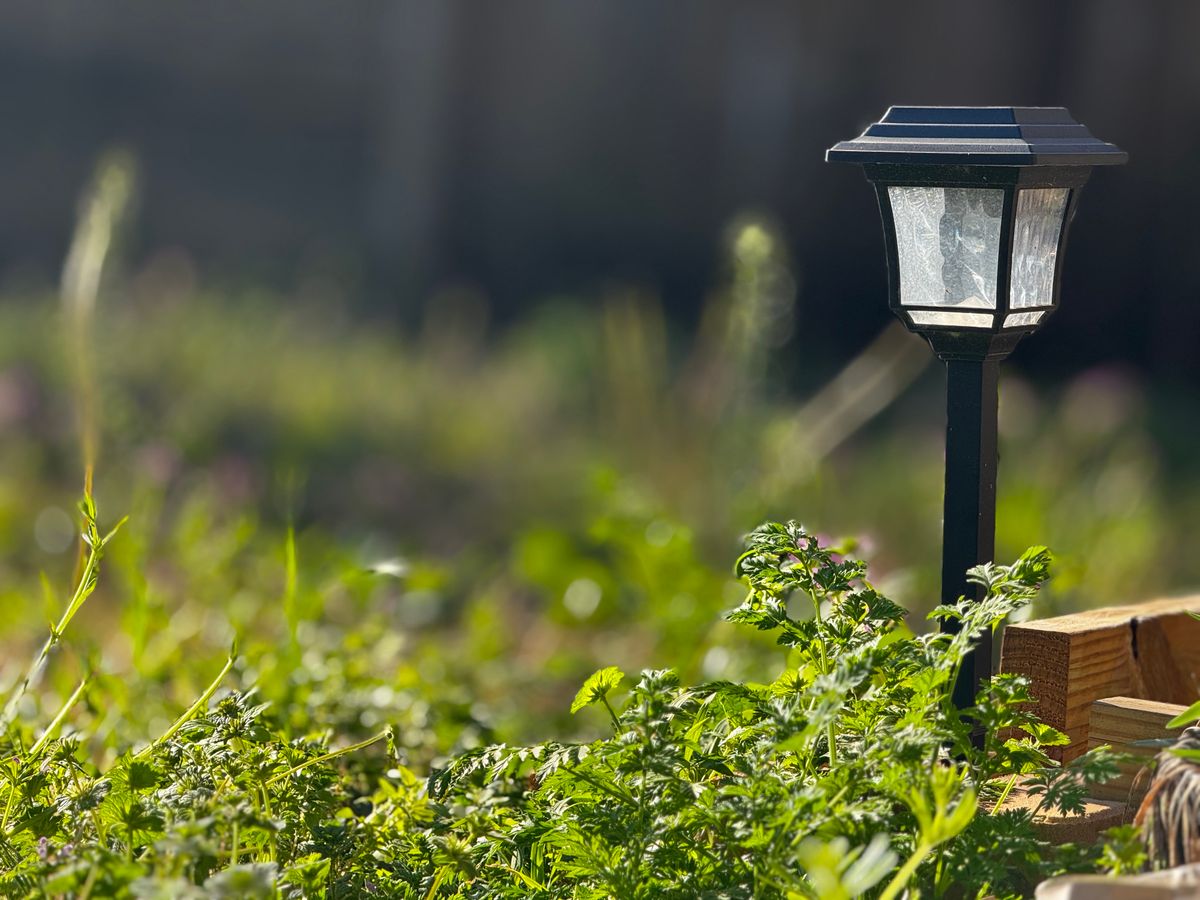
Run the math: a garden path requires consistent intervals of light to be safe, yet most stained glass solar garden lights are sold as single statement pieces rather than integrated systems. When transitioning to a disk-based mosaic approach, the decision framework must shift from purely aesthetic to technical performance. I'll change my mind when a hanging lantern can demonstrate the same foot-candle consistency as a ground-level disk, but until then, the following checklist is the minimum standard for a functional installation:
- Compression Rating: Ensure the disk can withstand at least 100kg of pressure to survive accidental foot traffic or lawn equipment.
- Refraction Index: Look for hand-laid glass fragments rather than printed plastic films to ensure the light pattern does not fade under UV exposure.
- Ingress Protection: A minimum of IP65 is required to prevent moisture from clouding the interior of the mosaic glass.
- Battery Chemistry: NiMH or Lithium-Posphate cells are necessary to handle the heat cycles of ground-level placement.
- Installation Depth: The disk should offer a stake system that allows for flush mounting to prevent tripping hazards in high-traffic areas.
Shop Solar Mosaic Disk Lights here.