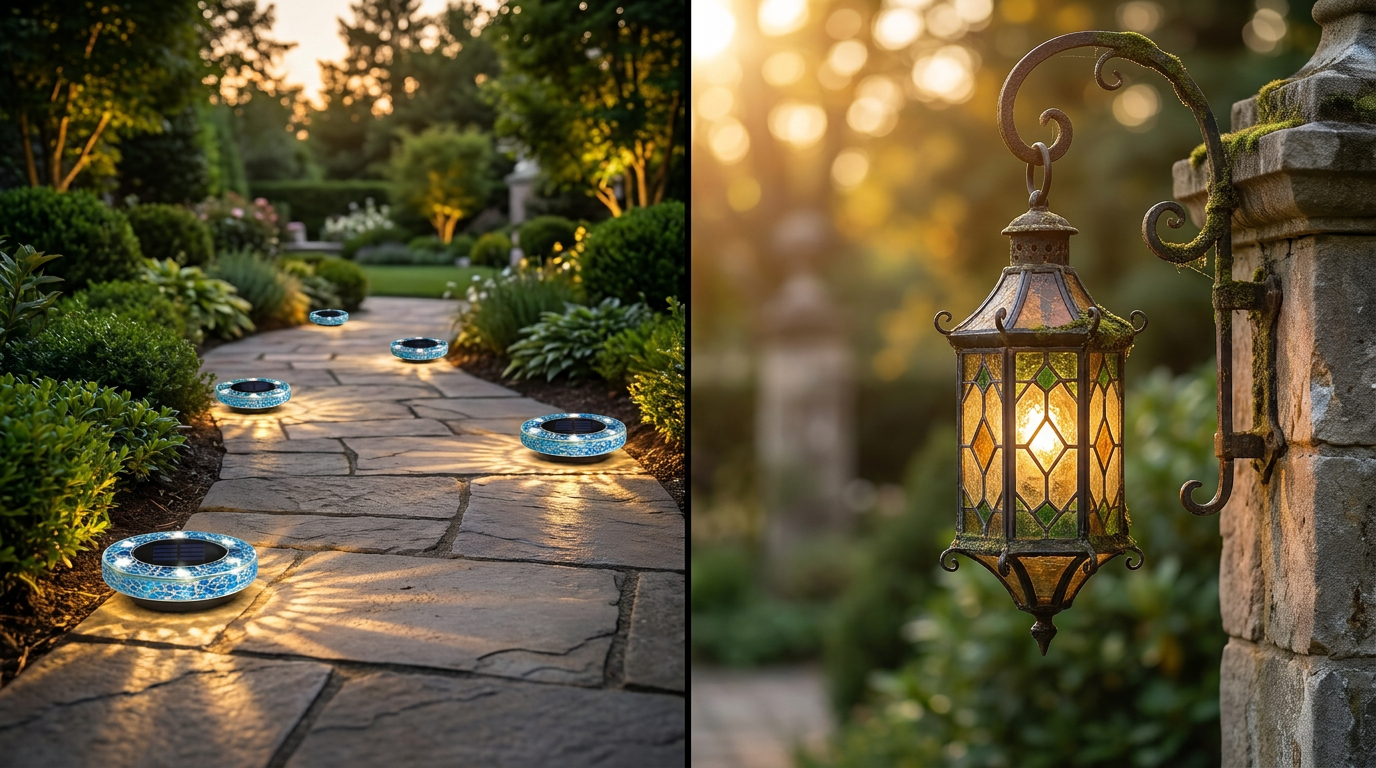
The Hidden Structural Flaw in Stained Glass Solar Lights
 Maya ChenContributing Editor
The consensus celebrates the beauty of stained glass solar lights, but ignores a fatal flaw: their top-heavy, fragile design is fundamentally unsuited for the outdoors. Online marketplaces and craft forums praise the aesthetic of hanging lanterns, but they fail to address the physics of placing a delicate glass object on an unstable hook in a dynamic environment. This oversight leads to a cycle of replacement that benefits sellers, not homeowners seeking durable landscape lighting.
The Inherent Instability of Traditional Designs
The conventional wisdom says to place stained glass lanterns on tables or hang them from shepherd's hooks for a whimsical effect. Here's the part nobody talks about: the structural mechanics. A typical lantern concentrates its weight at the top, creating a high center of gravity. This makes it exceptionally vulnerable to wind and accidental impacts. Even a moderate breeze, defined as 19-24 mph on the Beaufort Wind Scale, can cause a hanging light to swing, stressing its delicate solder joints and risking a catastrophic impact. The thin metal hooks and chains often included are failure points, not features. This design choice prioritizes a specific look over long-term function, a core issue we explore when asking do Solar Mosaic Disk Lights outlast stained glass lanterns? The result is frequent breakage and a short lifespan in any yard with children, pets, or weather.
Durability by Design: The Low-Profile Advantage
Photo by Artūras Kokorevas on Pexels
A truly durable garden light must integrate its decorative elements into a structure that can withstand environmental forces. Solar Mosaic Disk Lights solve the stability problem by moving the “stained glass” effect into a reinforced, ground-level housing. Instead of a dangling, hollow box, the mosaic glass is embedded in a low-profile disk that sits flush with turf or mulch. This form factor is inherently stable and protected from wind, stray soccer balls, and lawnmower bumps. The decorative element is no longer a structural liability. This approach provides brilliant, artistic pathway illumination without creating a fragile obstacle. The debate over whether Solar Mosaic Disk Lights can replace stained glass is less about aesthetics and more about a user's tolerance for risk and replacement costs. The integrated design protects not only the glass but also the solar panel and internal electronics from the direct impact and water ingress that plagues vertical lights.
Are all stained glass solar lights fragile?
While material quality varies, the fundamental design of a hanging or tabletop stained glass lantern makes it inherently fragile for long-term outdoor use. The primary weakness is the form factor itself. Exposing thin glass panes, weak solder joints, and a top-heavy structure to wind, rain, and potential impact is a recipe for failure. A light's functional lifespan is determined by its engineering and placement, not just its materials.
Why do solar garden lights break so easily?
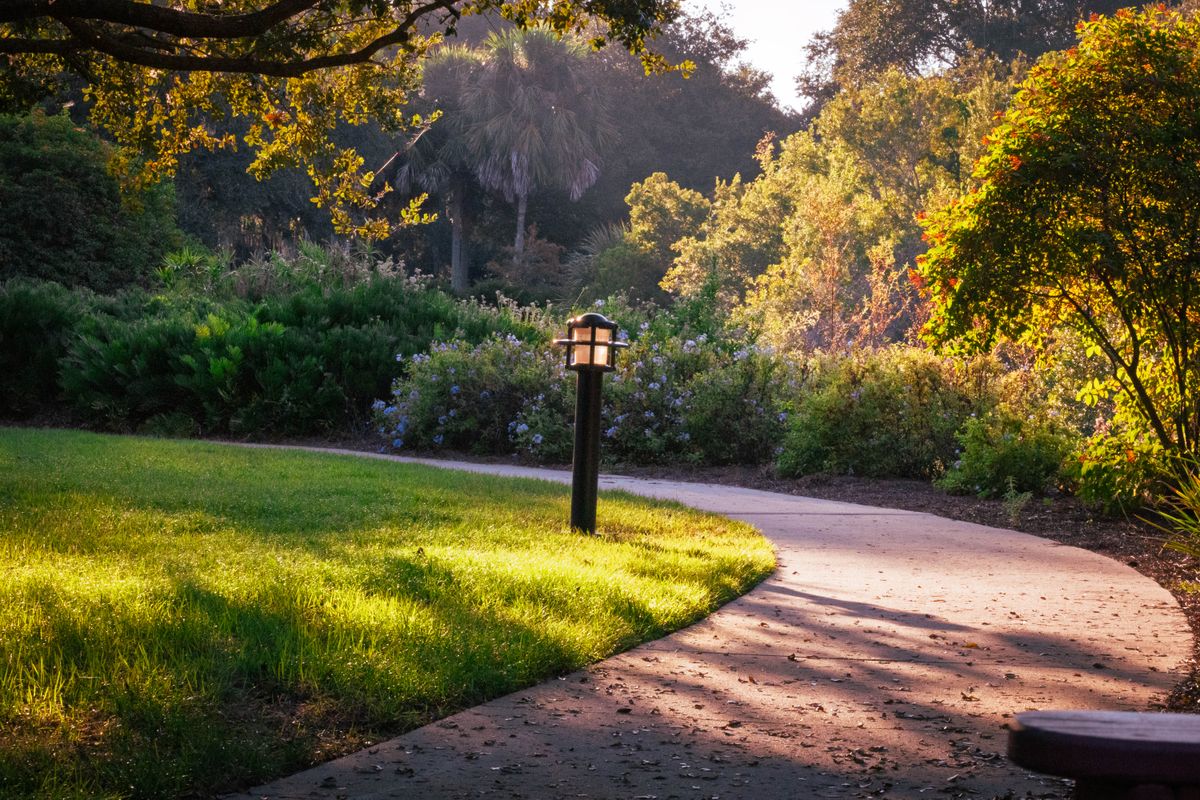
Photo by Kim Lawrie on Pexels
Most solar garden lights fail due to their exposed, vertically-oriented construction. Water seeps past inadequate seals on hanging lanterns, while the plastic caps housing the solar panels become brittle and crack under UV exposure and impact. The most common failure point is physical damage from being knocked over or struck by debris. A ground-flush disk design mitigates these primary risks by embedding all critical components within a durable, low-profile housing shielded from direct force and weather.
I'll change my mind when the market produces a hanging stained glass lantern with a shatter-resistant polycarbonate body, a weighted, gyroscopically stable base, and independently verified IP67-rated seals. Until then, the only logical choice for permanent, artistic garden lighting is a design that respects the laws of physics.