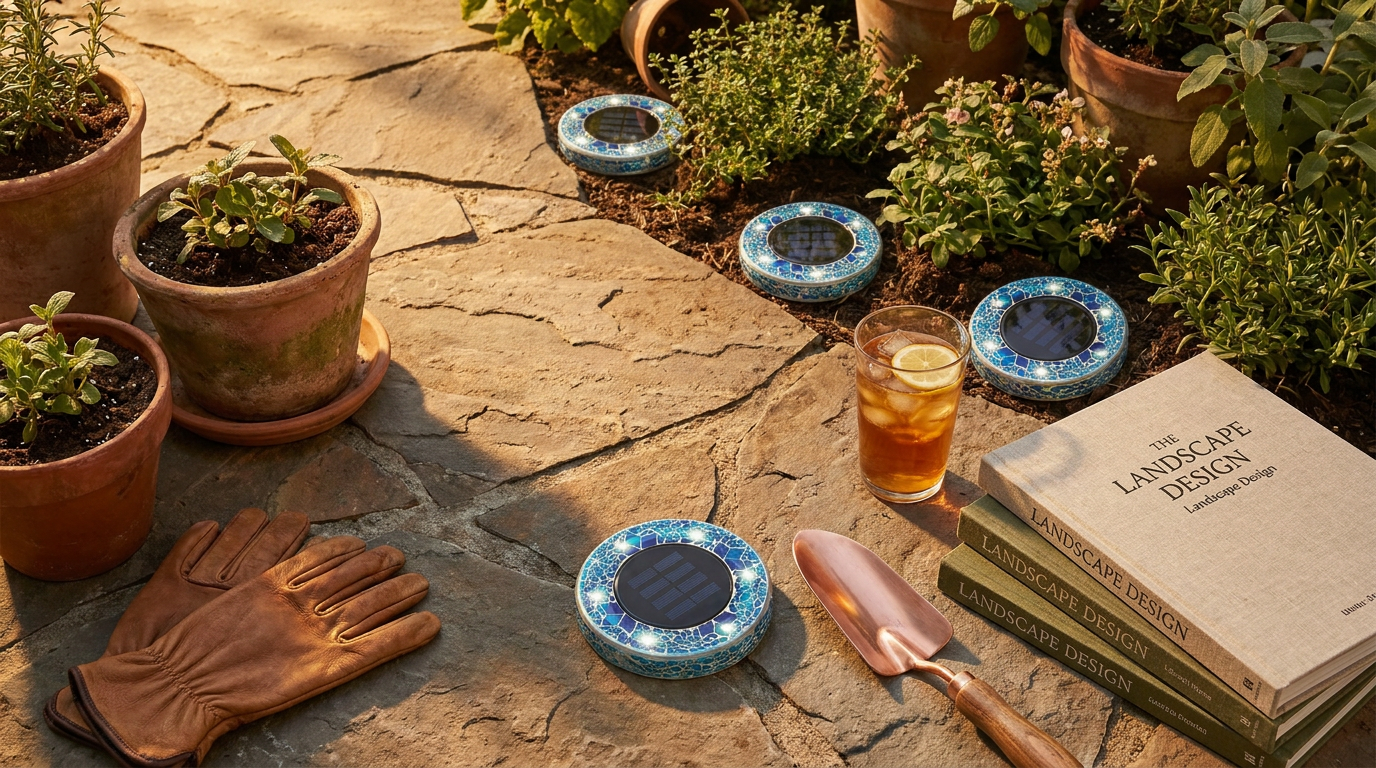
Solar Mosaic Disk Lights for Landscape Design
 Maya ChenContributing Editor
July 1, 2026. This evaluation explores the technical and aesthetic performance of Solar Mosaic Disk Lights within modern residential landscapes. It is intended for homeowners seeking a balance between high-durability ground lighting and the visual complexity of glass artistry.
The Limitations of Utility Lighting
The conventional wisdom says that outdoor lighting should be invisible, hiding the fixture to focus entirely on the light throw. This approach has led to a market saturated with utilitarian plastic stakes that offer zero visual value during daylight hours. Here's the part nobody talks about: standard flat-panel disk lights often fail to provide sufficient contrast against varied terrain, resulting in a sterile, commercial appearance in private gardens. According to Black+Decker, while products like their Outdoor Solar Disk Light 8-Pack are designed for easy assembly and a stylish atmosphere, the industry often overlooks the decorative potential of the fixture housing itself. Most consumers assume that a solar light must either be a high-performance spotlight or a cheap plastic marker, ignoring the middle ground where glass craftsmanship meets photovoltaic efficiency. When homeowners choose decorative solar disk lights for yard applications, they are often forced to choose between the structural integrity of a ground-flush light and the visual appeal of traditional lanterns. This false dichotomy ignores the evolution of mosaic integration, which allows for light diffusion through colored glass without compromising the low-profile benefits of a disk-based system. The standard industry consensus suggests that decorative elements reduce the effective lumens reached by the surrounding foliage, but this fails to account for the refractive properties of hand-laid glass which can actually broaden the light's footprint.
Integrated Mosaic Performance Standards
Solar Mosaic Disk Lights address the aesthetic deficit of standard LEDs by utilizing hand-cut glass fragments embedded directly into the disk surface. This construction does more than provide color; it acts as a secondary diffuser that softens the harsh, clinical blue light often associated with budget solar panels. Unlike the uniform output of stained glass solar disk lights, which focus on specific color patterns, the mosaic approach creates a fractured light throw that mimics natural dappled sunlight. Run the math: a standard 8-LED disk light produces a concentrated beam that often washes out the texture of grass or stone. By contrast, the mosaic overlay redistributes that intensity across multiple facets, reducing glare while maintaining a consistent 360-degree illumination radius. This is particularly relevant when integrating decorative solar disk lights for yard walkways where safety requires clear edge definition without blinding the pedestrian. The durability of these units is also superior to elevated path lights; because the mosaic is flush with the ground-level housing, it avoids the common breakage points found in stem-mounted fixtures. When selecting stained glass solar disk lights for high-traffic zones, the structural support of the disk frame ensures that the glass remains protected from lawn equipment and foot traffic. The internal battery configuration in these units typically supports 8 to 10 hours of illumination, provided the polycrystalline solar cells receive unobstructed southern exposure during peak daylight hours.
Technical Selection and Placement Framework
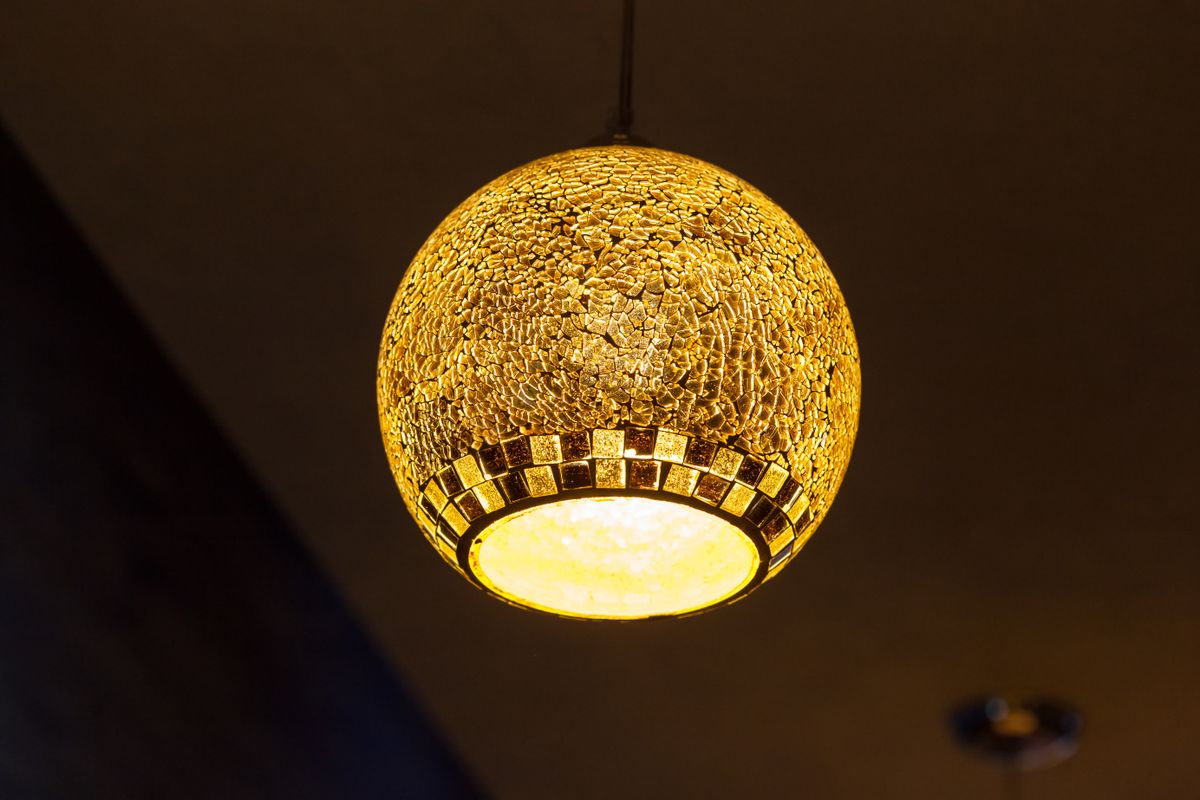
Photo by Julia Filirovska on Pexels
Selecting a solar lighting system requires more than an aesthetic preference; it necessitates an audit of the installation site's solar potential and soil density. While a Solar Disk Light Review video & Buying Guide by Gigalumi might emphasize ease of installation, the long-term performance of Solar Mosaic Disk Lights depends on the specific environmental stressors of your zip code. Before committing to a full-scale installation of decorative solar disk lights for yard borders, run a 48-hour test on a single unit to verify the discharge rate in your specific microclimate. I'll change my mind about the superiority of flush-mount mosaics when a stake-light can demonstrate the same resistance to shear force and wind-load while providing a comparable 3000k color temperature.
- Verify the IP65 or higher waterproof rating to ensure the mosaic grout remains intact during freeze-thaw cycles.
- Assess the solar panel surface area relative to the diameter of the mosaic inlay to ensure charging efficiency isn't sacrificed for art.
- Map the placement to avoid shadows from evergreen shrubbery that could limit the 6-hour minimum charge window.
- Evaluate the anchoring system; stainless steel or reinforced ABS plastic stakes are required for clay-heavy soils.
- Coordinate the mosaic color palette with existing hardscape materials to ensure daylight color harmony.
Shop Solar Mosaic Disk Lights here